Chantale Colombe: Care is another way of singing life
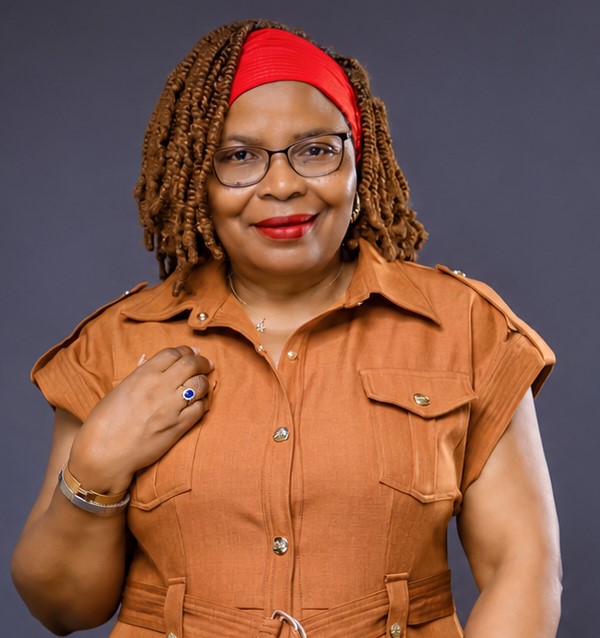
Author of the poetry collection Parfum divin and performer of the new song of gratitude Béni(e) Béni(e), Chantale Colombe talks about her journey between music, spirituality and a calling for care. In a Cameroon shaken by the debate over femicide, she explains why women's health remains, in her view, a cause that unites body and soul.

You have just released Béni(e) Béni(e), a song of gratitude. What led to this title at this particular point in your journey?
This song was born from a genuine need to say thank you, for life, for health, for the trials I have faced and overcome. I carry within me the idea that gratitude heals as much as it comforts. When you have known illness, distance, exile, you learn to measure every breath as a grace. Béni(e) Béni(e) is a way of sharing that gratitude with those who are also going through difficult times, and of reminding them that a blessing can be born even at the heart of hardship.
You are pursuing both an artistic career and a calling in care work, in Germany. How do these two commitments nourish one another?
For me, singing and caregiving come from the same source. Caring for a fragile body teaches me humility and attentive listening, two qualities that also feed my writing and my performances. And in turn, music helps me get through workdays that can be heavy, spent with vulnerable people. I do not separate these two callings, I live them as a single call to accompany life, through my voice when I sing, through my hands when I care for someone.
Cameroon is currently going through a difficult debate around femicide. As a woman committed to caregiving, how do you view this reality? It is a pain that touches me deeply, as a woman, as a sister, as a health professional. Caregiving has taught me that violence leaves marks that go beyond the body, it also damages trust, speech, sleep, dignity. I believe caregivers have a role to play very early on, by recognising signs of distress, offering a non judgmental ear, and directing people toward the appropriate support services. Women’s health is not limited to medical consultations, it also includes their safety and their right to live without fear.
Where do you find the strength to hold both of these demanding commitments, far from your country of origin?
In my faith, plainly. It is the thread that connects my workdays, my nights of writing and my moments of doubt. Living away from Cameroon has also taught me to carry my roots differently, through words, melodies, and the gestures of care I offer every day. I remain attached to my country through my heart, and every song I write is a way of returning to it, even from afar.
What message would you like to send to the Cameroonian women who will read or listen to you?
That their life has value, whole and unconditional. That they deserve to be listened to, protected and cared for, in body as in soul. And that blessing, like care, often begins with a simple gesture: speaking honestly, turning toward those who can help, refusing the silence that isolates. That is what I try to carry through Béni(e) Béni(e), an invitation to rise together.
Interview by Baltazar Atangana (noahatango@yahoo.ca)